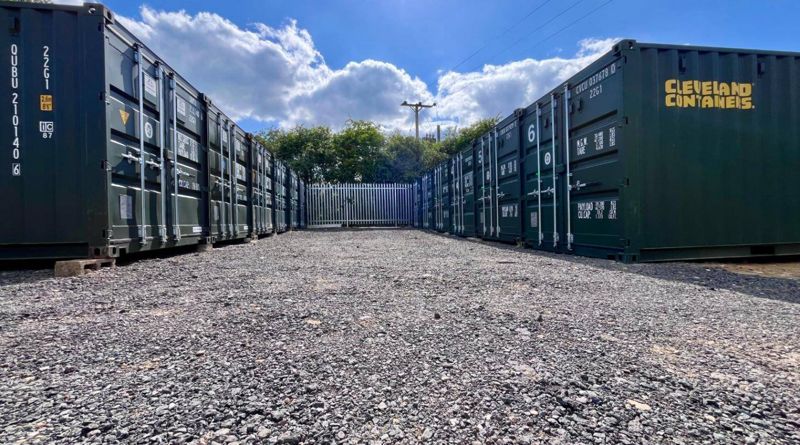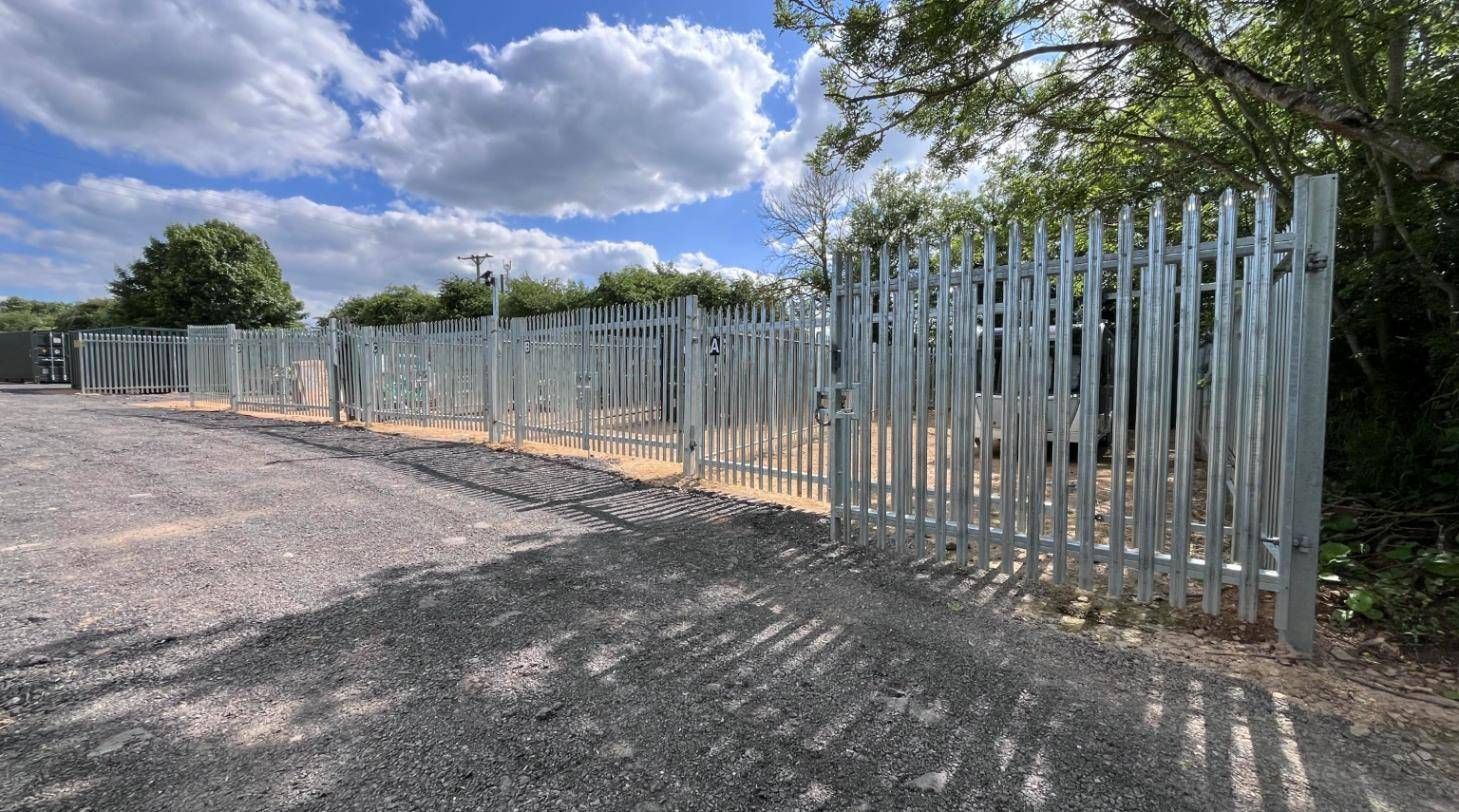
A yard looks simple, a patch of ground behind a gate, but the details decide whether it works for you.
The ground
Concrete and tarmac take heavy plant and trailers on jacks. Compacted stone is fine for vehicles but can rut in winter. Ask whether the plot drains well and whether anyone else's kit sits on the same area.
Getting in and out
Walk the route with your biggest vehicle in mind: gate width, turning space, overhead cables, height barriers and the road outside. Check the hours you can get in. Early starts matter for trades.
Security
Perimeter fencing, a locked gate with controlled access, lighting and CCTV are the basics. Ask who else has keys or codes, and what happens after a break-in.
Planning and use
Storage is the usual permitted use. If you want to work on site, have customers coming in, or store anything hazardous, check the site's planning permission and the agreement first.
Business rates
A plot you have exclusive use of can be liable for business rates. Ask whether the rent includes rates, and whether the plot has its own rateable value.
The paperwork
Find out the notice period, deposit, how rent is reviewed, and who insures what.
Browse yard space to rent.
Common questions
How much does it cost to rent a yard in the UK?
Small plots for a single van or trailer can be under £100 a month. Larger fenced compounds are usually priced per acre or per square foot a year and vary a lot by area.
Do I pay business rates on a rented yard?
Possibly. If you have exclusive use of a defined plot it may be rated separately. Ask the operator whether rates are included.